Driving Mrs Daisy: A Story of Love, Family and Caring for Someone with Dementia
Simone reflects on her time caring for her grandmother, the strength of family, and why speaking up for those we love matters.
Meet Nanny Daisy – A Woman Full of Life
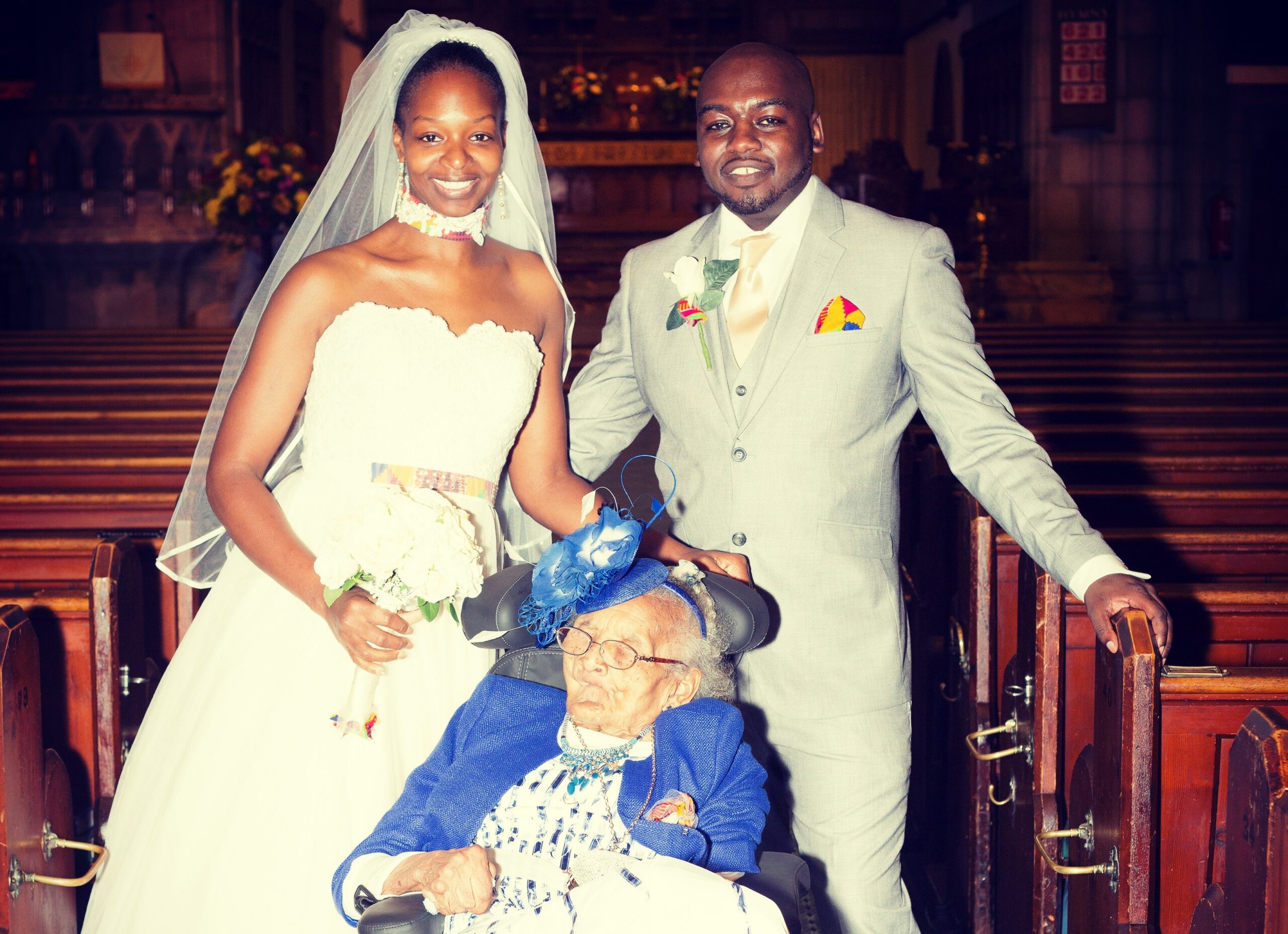
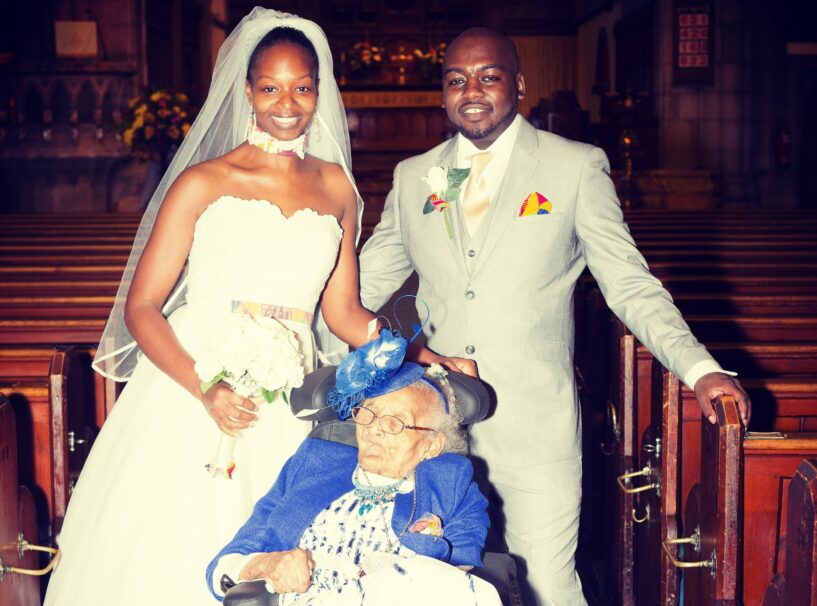
My grandmother, Nanny Daisy, was a feisty little Jamaican lady from Clarendon, with a sharp tongue, a strong spirit and a heart that held our family together. She was well-read, fiercely independent, loved her family and always had something to say. You certainly knew where you stood with Daisy!
When she was diagnosed with Alzheimer’s disease, it helped explain some of the changes we had started to notice. She was becoming forgetful, repeating herself, losing everyday items and sometimes accusing visitors of taking things. Her behaviour was changing, and we knew something wasn’t quite right.
Getting a diagnosis wasn’t straightforward. Nanny managed to put her best foot forward during her first assessment! But we persevered. Although the diagnosis was difficult, it also brought relief. We finally had some answers and could begin to understand what was happening, educate ourselves and prepare for the journey ahead.
When Caring Becomes a Family Responsibility
My grandfather was Nanny Daisy’s main Carer for many years. The family supported him with shopping, cleaning, visits and everyday tasks. As her needs increased, caring became more demanding. My grandfather was becoming tired, and although we arranged day centre support, it became increasingly difficult to find services that could meet her changing needs.
In 2009, my grandfather sadly passed away following a diagnosis of pancreatic cancer. Before he died, he repeatedly reminded us:
“Look after your Mum! Look after my Daisy!”
His passing changed everything. Who would look after Nanny? Where would she live? How would she cope without the husband who had been her rock for so many years? One thing was certain. Nanny Daisy had always made her wishes very clear:
“Don’t you dare put me into one of those care homes!”
And she said that in the Queen’s English, without a drop of Patois! As a family, we decided to do everything we reasonably could to honour her wishes and keep her safe and comfortable in her own home.
It is important to recognise that this was never something I did alone. Nanny’s children, particularly my Mum and her brother, played a central role in her care, supporting her during the week and at weekends. Her other sons, who lived outside Birmingham, also remained involved, offering support and helping us make fair, considered decisions as a family.
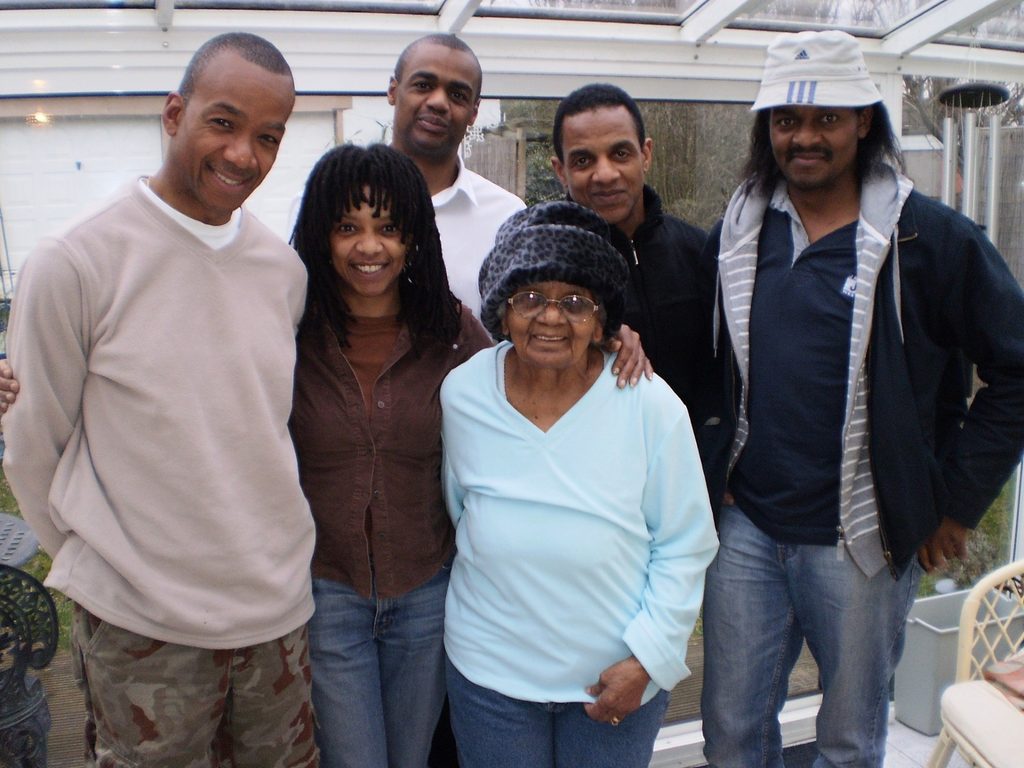
Although I became closely involved in managing Nanny’s day-to-day care, I was not making every decision independently. I would share my observations, knowledge and recommendations with the family, and we would discuss the best way forward together. Their dedication to their parents was the foundation of our care journey. I could never have fulfilled my role without their commitment, guidance and support.
Bringing Nanny Daisy Back to Life
My cousin and I volunteered to move in with Nanny. At the time, I was working as a pre-school teacher and raising my young daughter. My cousin also had a young daughter and, being between jobs, was able to dedicate significant time to caring for Nanny during the day. I took over after work, while other family members helped with cooking, shopping, evenings and weekends so that we could have some time to ourselves.
Something beautiful began to happen. Nanny started speaking more, becoming involved in daily activities and showing flashes of the fiery personality we had missed. She started telling people off again, getting involved in household tasks and making sure everyone knew she was still very much present.
Daisy was back!
She helped with washing, ironing and little jobs around the home. She loved having her hair and nails done by the children and enjoyed feeling useful. We realised that even though Alzheimer’s was changing her abilities, it had not taken away her personality, her need for connection or her sense of belonging. Having younger generations around her gave Nanny a renewed sense of purpose.
Giving Up My Career to Become a Full-Time Carer
After six months, my cousin returned home, and I made the decision to become Nanny’s full-time Carer. I handed in my notice at work, turning down opportunities for career progression and further education. It was a significant decision. I loved working, being financially independent and having the freedom to provide for my daughter. Suddenly, I had greater responsibilities but much less money.
It wasn’t just about missing my wages. I also found the rate of Carer’s Allowance insulting when I considered the level of responsibility involved in caring for someone with complex needs. The financial support available simply didn’t reflect the commitment, time and sacrifices that unpaid Carers make every day. I missed my colleagues, the workplace and even the Christmas parties!
Caring changed my life in ways I could never have imagined. I was a mother, a granddaughter and now a full-time Carer. I was only 27, and people often seemed surprised that someone so young could take on such responsibility. But I knew my grandmother, I understood her wishes, and I wanted to give her the best possible quality of life.
Understanding Dementia Through Everyday Life
One of the most important things I learned was the value of observation. I began keeping detailed daily records of Nanny’s routines, moods and behaviour.I recorded what she ate, when she slept, her medication, visitors, appointments, activities and anything that seemed to affect her wellbeing.
I wanted to understand what made her happy, what caused distress and what helped her feel settled. Small changes could make a big difference. For example, I noticed that her mealtimes were becoming difficult. By adjusting her routine, giving her more time and understanding how she responded to food, we gradually found an approach that worked better for her.
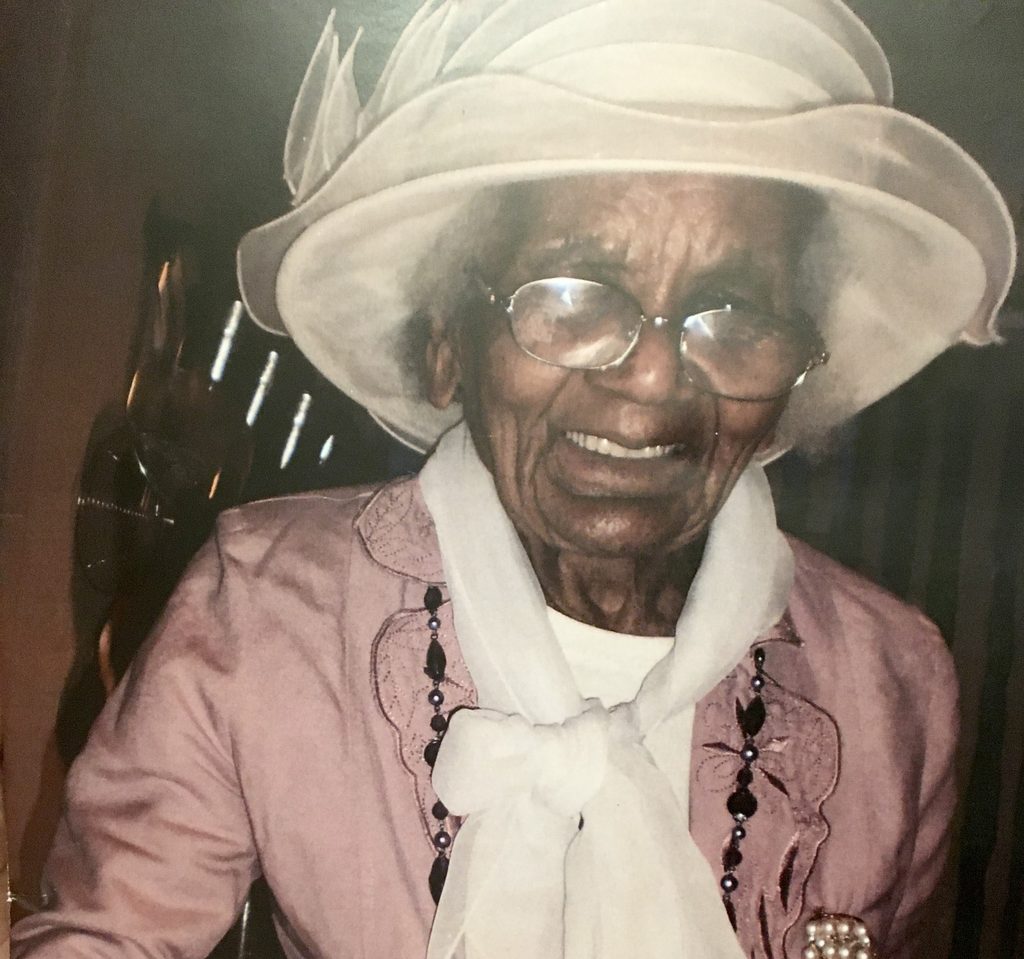
Music was another important part of our lives. Nanny loved Jamaican Mento music, reggae and listening to Smooth FM. Music filled the house and often helped create a familiar, comforting atmosphere. I also learned how important her surroundings were. She loved a clean, beautifully decorated home, freshly cooked meals and being well dressed. We made sure she looked and felt good every day.
Why save your best clothes for a special occasion when every day of life is worth celebrating?
Keeping Her Identity, Dignity and Independence
Dementia can change how someone communicates and manages everyday tasks, but it does not mean they stop being the person they have always been. Nanny Daisy had been a businesswoman, a mother, a grandmother and a proud Jamaican woman with a strong personality. I wanted her to remain all those things.
We encouraged her to do what she could for herself, rather than automatically doing everything for her. She helped with household tasks, enjoyed outings and remained involved in family life.
Her hair was done, her clothes were carefully chosen, and she was always dressed to impress. Primark became a favourite shopping destination!
We also enjoyed trips out together. Once I had access to a car, life became much easier. Driving Mrs Daisy became one of my greatest joys, although she did occasionally try to grab the steering wheel! The car was always filled with music, cushions and snacks for the journey. Those everyday experiences mattered because they helped Nanny continue enjoying life beyond her diagnosis.
Family, Culture and the Power of Togetherness
Our Jamaican heritage and family values played an important role in how we cared for Nanny. Looking after our elders was something we had grown up understanding as part of family life. But that didn’t mean it was easy. There were difficult days, disagreements, exhaustion and moments when we all struggled. There was also extraordinary love. Nanny’s home remained the heart of our family. We hosted parties with sound systems, jerk pans, big pots of soup, rum punch, music and laughter. Family and friends travelled from near and far to spend time together. The house was filled with children, conversations, dancing and memories.
We never knew what the next stage of Alzheimer’s might bring, so we made the most of the moments we had. These gatherings weren’t just important for Nanny. They gave the whole family opportunities to reconnect, relax and celebrate life.
The Hidden Impact of Caring on the Whole Family
Although caring for Nanny was an honour, it also came with sacrifices. I missed my career, my income and my independence. My own health sometimes became less of a priority because I was so focused on everyone else’s needs. Even arranging a routine health appointment could be difficult when I had no one available to look after Nanny.
My daughter was also affected. She had always been used to having my attention, and suddenly she had to share me with her great-grandmother. She loved Nanny and has many happy memories, but she also felt that she had lost some of my attention. She was recognised as a Young Carer and attended groups and activities where she could talk about her experiences. Looking back, I understand how important that support was.
Caring doesn’t just affect the person providing care. It can shape the lives of children, partners and the wider family too.
I also recognise that I didn’t always give myself the rest or emotional support I needed. As Carers, we can become so focused on the wellbeing of others that we forget our own needs matter too.
Working Together with Health and Social Care Professionals
One thing I learned early was that professionals and families need to work together. I treated the professionals involved in Nanny’s care as colleagues. We were all working towards the same goal: helping her live safely, comfortably and with dignity. I built relationships with her GP, social workers, nurses and other professionals. I shared observations, asked questions and made sure her changing needs were understood.
As Nanny’s condition progressed, we needed more specialist support. I researched NHS Continuing Healthcare, studied the eligibility criteria and worked with professionals to make sure her needs were properly assessed. Eventually, Nanny was awarded a full care package that enabled her to remain at home.
However, the reassessment process could be incredibly stressful. At times, it felt as though the focus was too heavily placed on Nanny’s mental health and whether her condition appeared stable, rather than recognising the full extent of her ongoing and changing care needs. There were occasions when funding seemed at risk of being withdrawn because Nanny was considered ‘stable’, even though her dementia continued to progress. For me, this highlighted how important it is that dementia is recognised as a progressive condition affecting both physical and cognitive health, with care and nursing needs that can change over time.
Having family members who understand the services available, maintain relationships with professionals and are prepared to advocate is crucial. We had to remain informed, involved and willing to challenge decisions when necessary.
We were also fortunate to have fantastic care teams. We built strong relationships with the people supporting Nanny and welcomed them into our family. We shared Nanny’s life story, her Jamaican heritage, her personality, routines and preferences so that those caring for her understood the woman behind the diagnosis. This helped them provide compassionate, personalised care when family members could not be there.
We had a wonderful live-in Carer who became part of our family. She understood Nanny’s culture, respected her dignity and cared for her with genuine love. Even after Nanny passed away, we remained in contact.
Family and friends also stepped in during transitional periods, ensuring Nanny had familiar faces around her. We had a team of paid and voluntary Carers working together, all contributing to her wellbeing. That experience showed me how powerful compassionate, culturally sensitive care can be when families and professionals genuinely work in partnership.
Learning to Let Go Without Stopping Caring
As my own family grew, I eventually moved out of Nanny’s home. It was one of the hardest transitions of my caring journey. I had spent years organising her life, monitoring her wellbeing and making sure everything was in place. Handing over the day-to-day responsibility was emotionally difficult. I still visited regularly, stayed overnight and remained involved in decisions about her care.
The family continued to support her, and her home remained a place where everyone gathered. I learned that caring changes over time. Sometimes we provide hands-on support. Sometimes we coordinate services, advocate for someone or simply offer companionship. Our role may change, but the love and responsibility do not disappear.
Why Our Voices Matter in Health and Social Care
My caring experience also inspired me to become involved in patient and public involvement, engaging with health and social care professionals and contributing to conversations about how services are designed and delivered.
I believe this is so important, particularly for Black families and communities who may not always feel represented or heard within these spaces. We need to move beyond the mindset of ‘not talking our business’ and recognise that sharing our experiences can help improve services for others.
It doesn’t always have to be the main Carer who gets involved. Sometimes another family member may have the time, confidence or opportunity to attend meetings, ask questions, represent the family and raise awareness. What matters is that somebody is willing to speak up and be involved.
I am encouraged to see more people from Black communities entering spaces where we have historically felt underrepresented. We should not feel ashamed, intimidated or that we don’t belong.
We do belong. We’re here, and our voices matter.
We are now facing a generation of older people whose needs are not always being fully met, whether they are living in their own homes or in residential care settings. Families have an important role in setting standards, asking questions and ensuring their loved ones are treated with dignity and respect. We cannot leave every decision to services and professionals without being part of the conversation. Meaningful change starts with us, our mindsets and our willingness to participate.
Speak up. Show up. Get involved and represent.
What Helped Nanny Daisy Live Well with Dementia?
Looking back, there were many things that made a difference to Nanny’s quality of life.
- A familiar home: Keeping her in surroundings she loved, for as long as it was safe and appropriate.
- Family involvement: Sharing responsibilities and making sure she remained connected to those she loved.
- Music and meaningful activities: Encouraging enjoyment, stimulation and a sense of purpose.
- Dignity and independence: Supporting her to do things for herself wherever possible.
- Familiar routines: Understanding her preferences around meals, sleep, personal care and daily activities.
- Observation: Keeping records and recognising changes in her mood, behaviour and wellbeing.
- Partnership with professionals: Building trusting relationships and seeking support when needs changed.
- Advocacy: Making sure her wishes were heard and that she could access appropriate services.
- Culture and identity: Respecting her Jamaican heritage, personality, faith and family traditions.
- Support for Carers: Recognising the importance of breaks, emotional wellbeing and sharing responsibilities.
Every person living with dementia is different, and what worked for Nanny may not work for everyone.
For us, the most important lesson was to see the person beyond the diagnosis.
What Caring for Nanny Daisy Taught Me
Caring for my grandmother changed my life.
It taught me patience, resilience, compassion and the importance of standing up for the people we love. It also taught me that caring is about much more than meeting physical needs.
It is about preserving identity, protecting dignity, encouraging independence and creating moments of happiness. There were tears, exhaustion and challenges I could never have anticipated. But there was also laughter, music, beautiful clothes, family parties, children running through the house and a grandmother who knew she was deeply loved. My faith carried me through many of those moments, and I remain grateful for the experience.
I am equally grateful for the dedication of Nanny’s children, my cousin, the wider family, friends and the wonderful care professionals who supported us. None of us could have done it alone. Our experience showed me that families have a powerful role to play, not only in caring for their loved ones but in helping to shape better services for future generations.
We cared for Nanny Daisy, but she continued to teach us all. She taught us about family, commitment, love and the importance of living life to the fullest, even when circumstances change.
Dementia may change someone’s abilities, but it does not take away their need for love, respect, connection and belonging.
And that is how I will always remember my Nanny Daisy.
Not simply as someone who lived with Alzheimer’s, but as the strong, funny, outspoken Jamaican woman who brought our family together.
#BlackHistoryMonth #BHM2026 #HonouringOurCommunities